
Agreements
Agreements between strangers.
Two parties who do not know each other leave a record of an exchange. No platform has to custody or decide.
Generated image
Open protocol
42 Chain is blockchain infrastructure. An improbabilistic distributed ledger.
01 — The engine
Each one carries part of the agreement among the people who use the ledger.
01 · Consensus
Validators propose and sign blocks. With more than two thirds of the voting power, the block is confirmed and final.
02 · Execution
Contracts run on the Ethereum Virtual Machine (EVM). Every node reaches exactly the same result.
03 · Fees
Every transaction pays a fee proportional to the work it requires, in the native unit: Improbability.
04 · Interoperability
With IBC, each network checks for itself, with cryptographic proofs, what happened on the other. Nobody holds the units in transit.
05 · Governance
Changes are proposed and voted on the chain. Each vote weighs according to the units in staking.
02 — Use cases
When several people need the same data and the same rules, the ledger does not have to sit with any one of them. Each person can keep a copy, any tampering is visible and anyone can check the result. Three examples:
Agreements
Two parties who do not know each other leave a record of an exchange. No platform has to custody or decide.
Generated image

Memory
Several people contribute the same fact. Anyone can audit the set and see if something changed.
Generated image
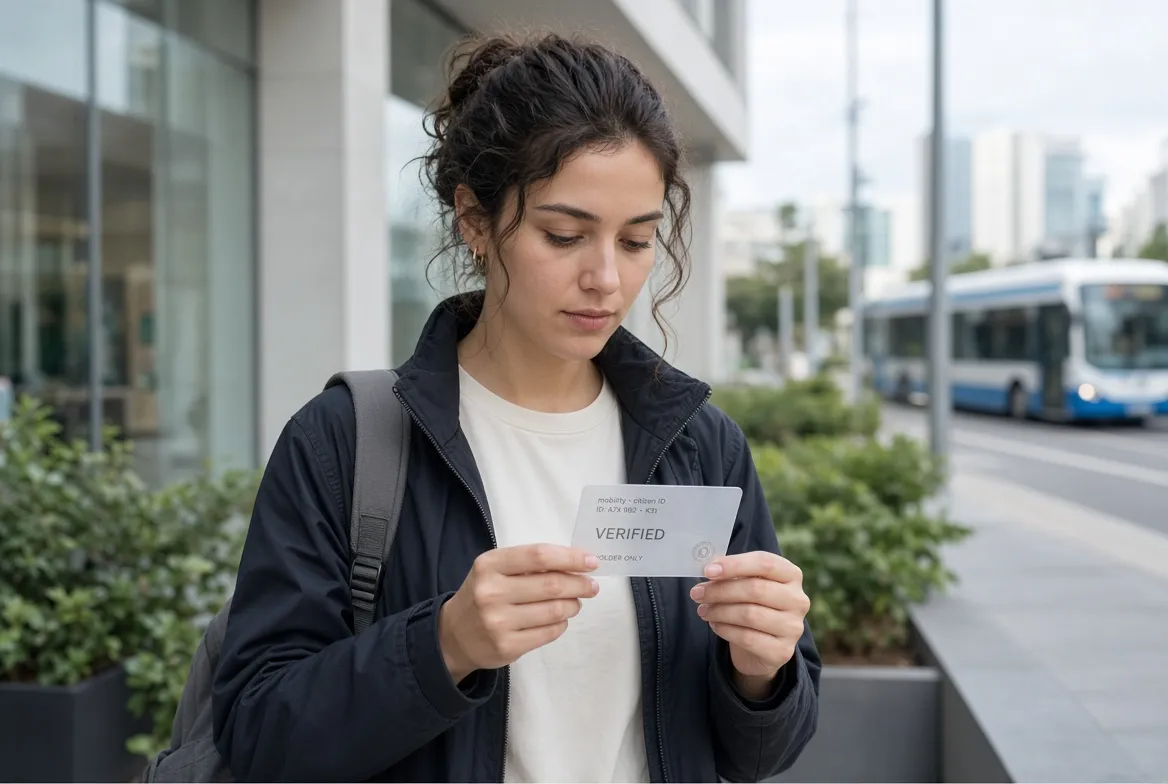
Sovereignty
A person carries their proofs with them. Whoever receives them checks without asking previous platforms.
Generated image
03 — For builders
Contracts are written with standard languages and tools: Solidity, Hardhat, Foundry. An application that already works on an EVM-compatible network works here without changing its code.
networks: {
  chain42: {
    url: "https://evm.infinitedrive.xyz",
    chainId: 421018,
  },
}

// That's it. Deploy as usual.
04 — How it is organized
The code, the operation of the network and the decisions about its rules are separate, and each part can be checked: the code in a public repository, operation and decisions on the chain itself.
05 — The name
In Douglas Adams's novel, 42 is the answer to the great question of life, the universe and everything. The answer is exact, but the meaning comes from those who ask. The protocol works the same way: it offers precise rules, and what is built with them is decided by those who use it.
Why 42 (in Spanish) →06 — Where to start